Wavelength Division Multiplexing
It details the two main standards: coarse WDM (CWDM), with few channels and wide spacing for applications like metropolitan networks, and dense WDM (DWDM), which uses many narrowly
Wavelength Division Multiplexers (WDM) | Corning
Explore wavelength division multiplexers (WDM), their applications, and products and learn why Corning is the best choice for WDM.

What is the expected lifespan of a DWDM system?
When planning a new deployment or evaluating an existing network, it''s natural to ask how long a DWDM system can realistically be expected to last. The expected lifespan of a DWDM system is
What is Wavelength Division Multiplexing (WDM): A
Wavelength Division Multiplexing (WDM) stands out as a cornerstone, enabling multiple data streams to travel simultaneously over a single fiber. This
Wavelength-Division Multiplexing
Wavelength Division Multiplexing is a multiplexing and multiple-access technology, used in fiber-optic transmission in order to maximize transmitted bit rates. Its earliest beginnings, in the form of
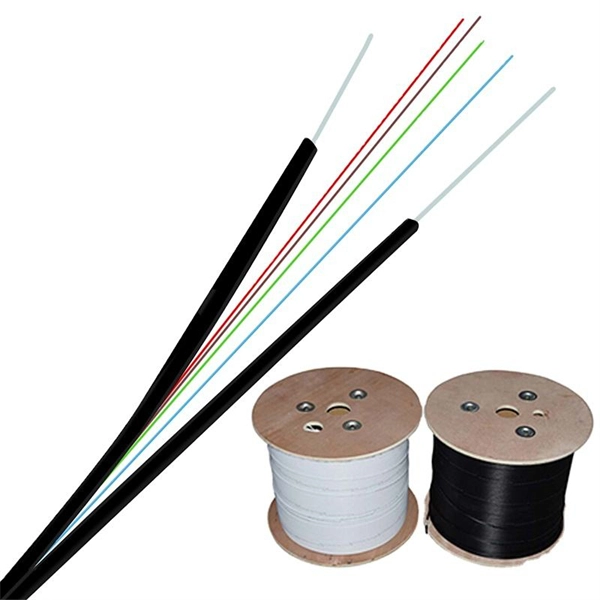
Wavelength-division multiplexing
OverviewDense WDMSystemsCoarse WDMEnhanced WDMShortwave WDMTransceivers versus transpondersSee also
Dense wavelength-division multiplexing (DWDM) refers originally to optical signals multiplexed within the 1550 nm band so as to leverage the capabilities (and cost) of EDFAs, which are effective for wavelengths between approximately 1525–1565 nm (C band), or 1570–1610 nm (L band). EDFAs were originally developed to replace SONET/SDH optical-electrical-optical (OEO) regenerators, which they have made pra
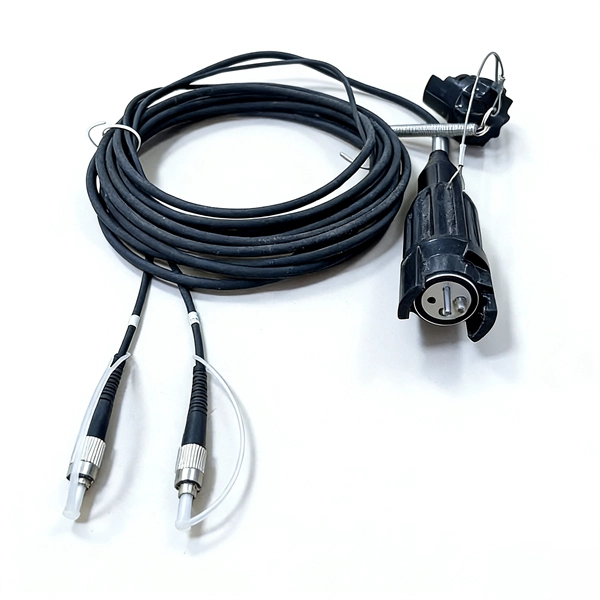
Wavelength Division Multiplexing (WDM) | Springer Nature Link
Wavelength division multiplexing or WDM allows the combining of a number of independent information-carrying wavelengths onto the same fiber, because of the wide spectral

Wavelength Division Multiplexers (WDM)
At MEETOPTICS, you can find and compare Wavelength Division Multiplexers (WDMs) for combining or splitting light at two different wavelengths. MEETOPTICS offers a variety of multiplexers with
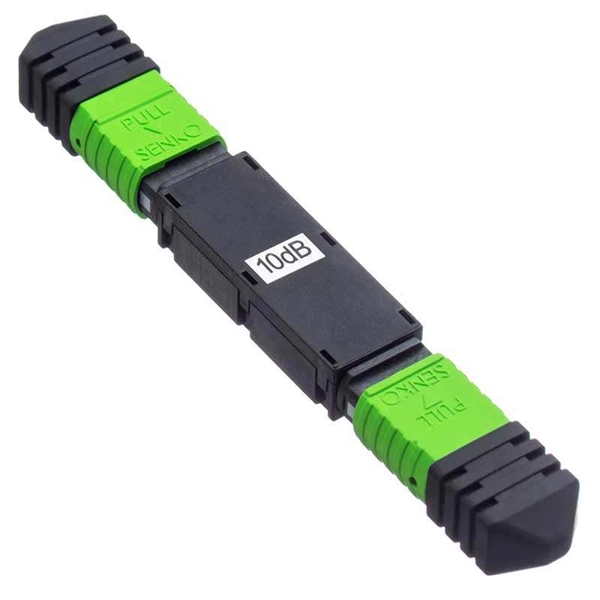
Wavelength-division multiplexing
Dense wavelength-division multiplexing (DWDM) refers originally to optical signals multiplexed within the 1550 nm band so as to leverage the capabilities (and cost) of EDFAs, which are effective for
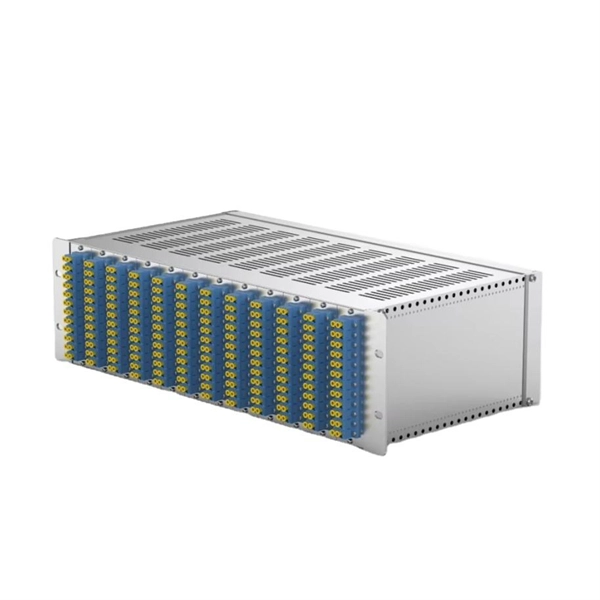
What is Wavelength Division Multiplexing (WDM): A Technical Guide
Wavelength Division Multiplexing (WDM) stands out as a cornerstone, enabling multiple data streams to travel simultaneously over a single fiber. This guide delves into the principles, types,
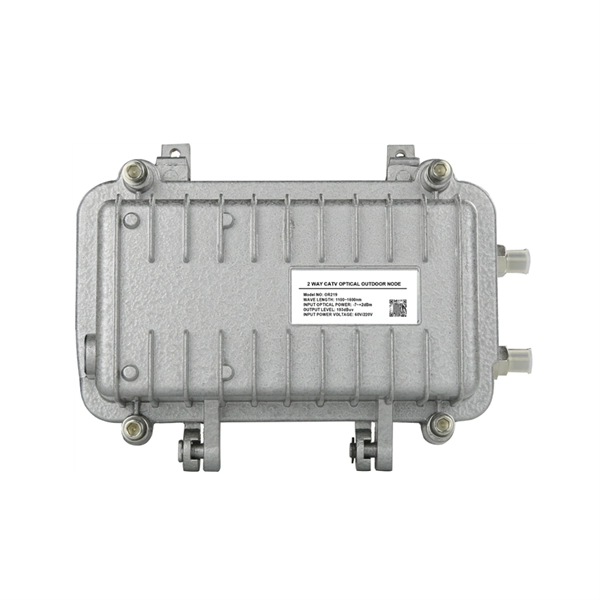
FOA Tech Topics: DWDM, Dense Wavelenght Division Multiplexing
They can amplify numerous wavelengths of light simultaneously, as long as all are in the wavelength range of the FO amplifier. They work best in the range of 1520-1560 nm, so most DWDM systems
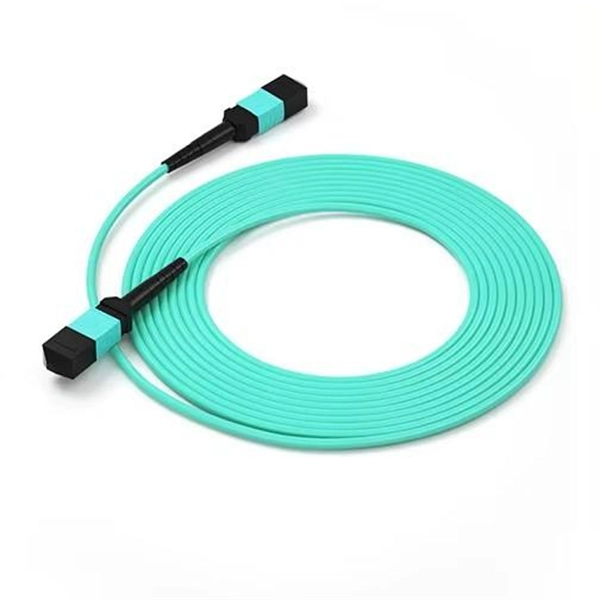
Wavelength Division Multiplexers (WDM) | How it works
Explore the fundamentals of Wavelength Division Multiplexing (WDM), its types, benefits, challenges, and future prospects in our detailed guide.
Optical Power Meters & Sources
High-precision power meters (Ge/InGaAs) and stabilized light sources for insertion loss and return loss testing.
OTDR & Fiber Characterization
Full-featured OTDR, fiber OTDR testers, and modular OTDR test modules for network deployment and troubleshooting.
OSA & Eye Diagram Analyzer
High-resolution OSA for DWDM and eye diagram testers for signal integrity validation.
BERT & Endface Inspection
BERT up to 800G, fiber endface inspection probes, and extinction ratio meters for comprehensive testing.