
Minimum Approach Distance Chart
The minimum approach distance chart defines safe working distances to prevent arc flash injuries. Based on NFPA 70E and OSHA standards, it helps protect electrical workers by specifying limits by
Application Guide for 2023 NESC Table 232-1
Vertical clearance does not apply to neutral, comm, grounded guy, or TPX that are 10 feet or more from edge of pool, diving platform, slide, or pool objects. Aboveground pool with deck or ladder, clearance

Working Clearances, based on the 2020 NEC
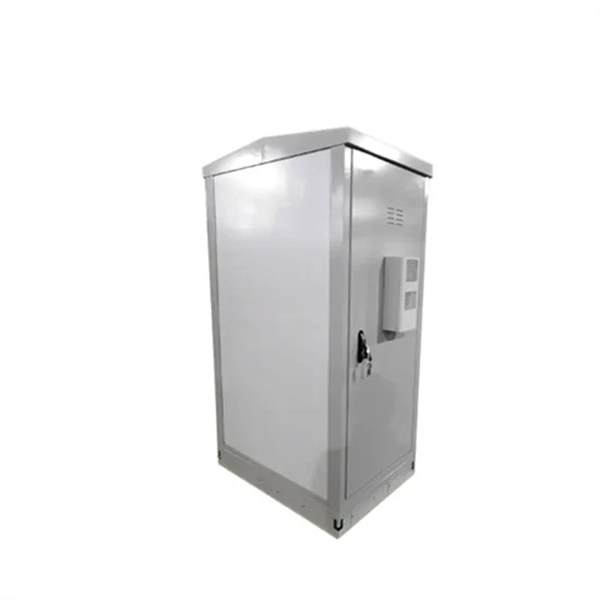
And though this aspect is not covered by the NEC [90.1], good engineering requires consideration of what additional distance would improve efficiency for operation or maintenance.
Safe distance between buildings and power lines
There must be a minimum HORIZONTAL distance of 1.6 m between any part of a building and the closest low-voltage line. This applies to all configurations of low-voltage lines.
Wire Size Calculator | Professional NEC Compliant Tool
Professional wire size calculator based on NEC standards. Calculate proper wire gauge, voltage drop, and ampacity for electrical circuits.

NEC 300.5: A Guide to Underground Installation Burial Depths
NEC 300.5 is an article in the National Electrical Code that addresses requirements for underground electrical installations, including minimum cover requirements—the measurement used to determine
Electrical Clearances: Requirements and Safe Distances
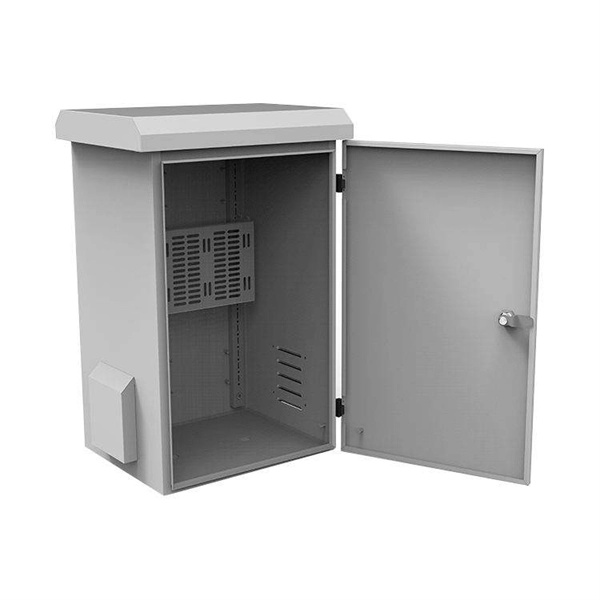
For homeowners, the practical takeaway is straightforward: if you''re installing a satellite dish, running low-voltage landscape lighting, or mounting a security camera near your service

NEC Requirements for Panelboards and Load Centers
In sub-panels, the neutral and ground bars must be separated to prevent ground faults. In the main panel, the neutral and ground must be bonded by Main Bonding Jumper (MBJ) wire from
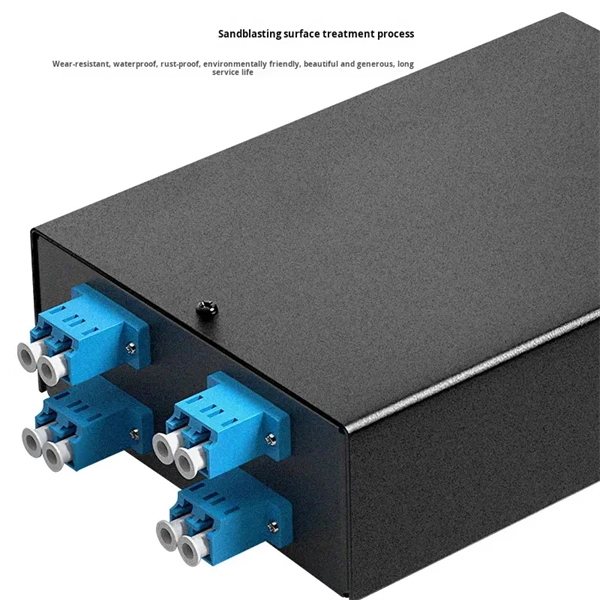
IEC Phase to Phase Clearance Standards | PDF | High Voltage
It lists clearance distances for indoor and outdoor electrical installations at different voltage levels from phase to earth, phase to phase, and minimum working clearances. It also provides minimum ground,
Clearances and Location Requirements for Enclosures, Pads, and
a) 3-foot minimum from combustible building surfaces to the edge of the pad. b) 2-foot minimum from non-combustible building surfaces to the edge of the pad. Non-combustible materials include brick,
Optical Power Meters & Sources
High-precision power meters (Ge/InGaAs) and stabilized light sources for insertion loss and return loss testing.
OTDR & Fiber Characterization
Full-featured OTDR, fiber OTDR testers, and modular OTDR test modules for network deployment and troubleshooting.
OSA & Eye Diagram Analyzer
High-resolution OSA for DWDM and eye diagram testers for signal integrity validation.
BERT & Endface Inspection
BERT up to 800G, fiber endface inspection probes, and extinction ratio meters for comprehensive testing.