Fiber vs. Microwave: Key Differences in Backhaul Connectivity
Compare optical fiber and microwave technologies for backhaul networks, covering capacity, cost, deployment, terrain, climate effects, and regulation.
The Future of High-Speed Internet: Microwave vs Fiber Optic
Microwave: While microwave technology can achieve impressive speeds, especially with advancements in 5G and millimeter wave technology, it generally falls short of fiber optic''s capabilities.
Microwave transport offers flexible alternative to fiber
Microwave transport offers a reliable, flexible alternative to fiber that performs better than many expect, even in the toughest conditions.
Optical fiber vs. microwave link for point-to-point communication
Overall, optical fiber presents a more cost-effective solution for high-capacity, long-term communication needs, while microwave links are financially viable for short-term or budget-restricted projects.
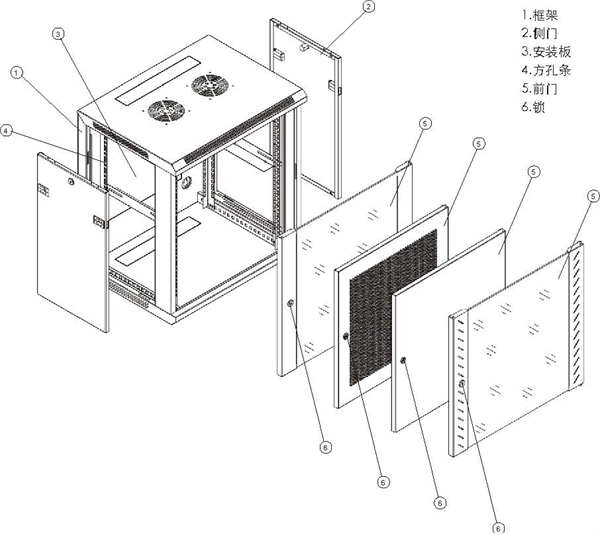
5G network: fibre optics vs microwave
Without a doubt, it will be the core technology of mobile networks, and it will gradually replace microwave relay links. However, the microwave link will continue to have a place in rural areas
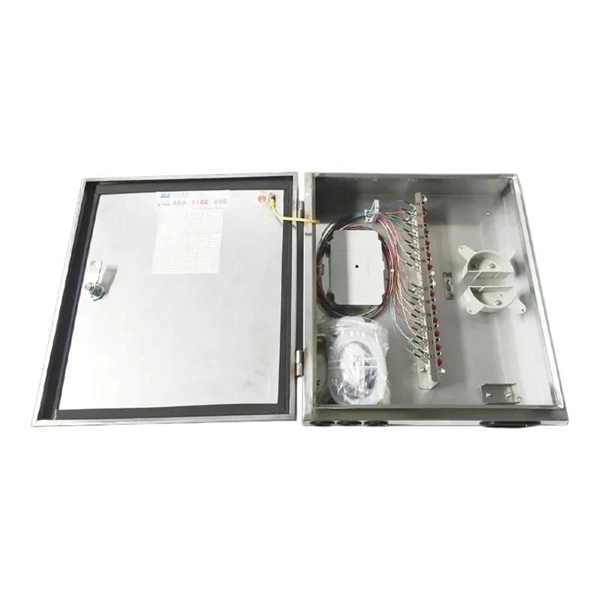
Microwave Vs Fiber Optic: What Are The Main Differences And
In the realm of high-speed internet connectivity, two technologies stand out: microwave and fiber optic. Each offers unique advantages and drawbacks, making the choice between them a
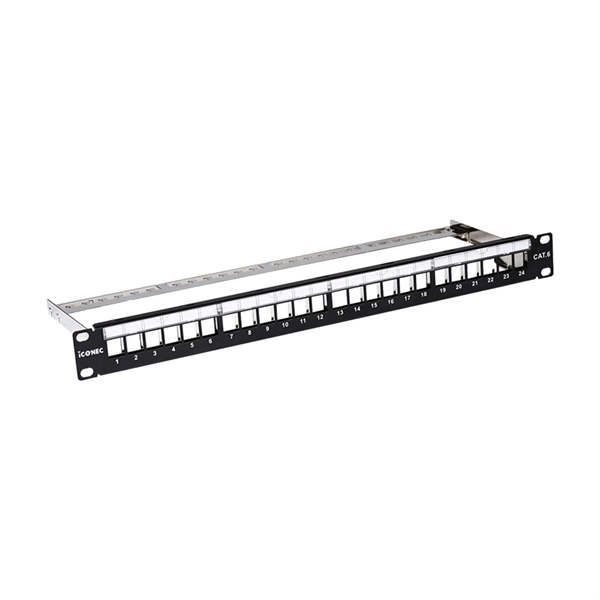
Fiber vs. microwave backhaul: A comprehensive comparison
While microwave technology has improved, it still cannot match the bandwidth capabilities of fiber optic cables. This can be a constraint for networks requiring extremely high data
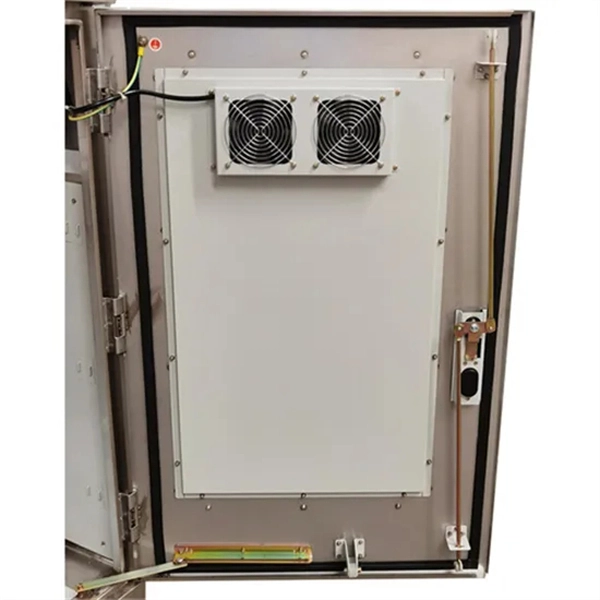
Radio and Microwave Over Fiber
RF over fiber converts radio or microwave signals into optical form for high-bandwidth transmission over long distances through fibers.
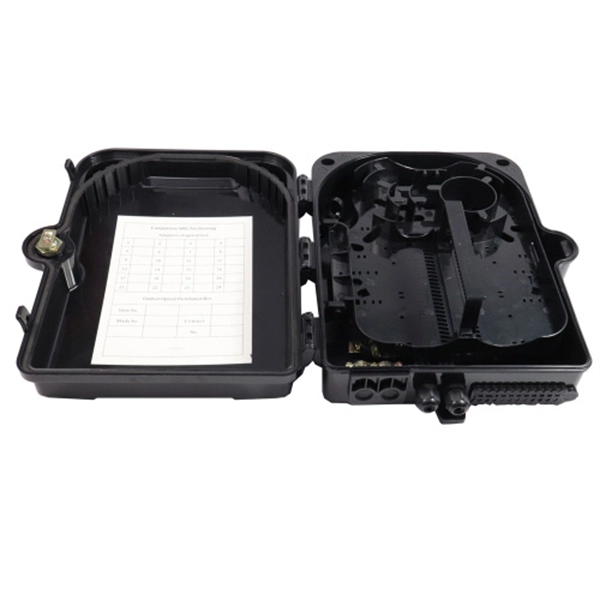
Fiber vs. Microwave Backhaul: Tradeoffs for Rural and Urban
Microwave backhaul presents a more affordable alternative, with lower upfront costs and quicker deployment times, although it may not offer the same bandwidth or reliability as fiber.
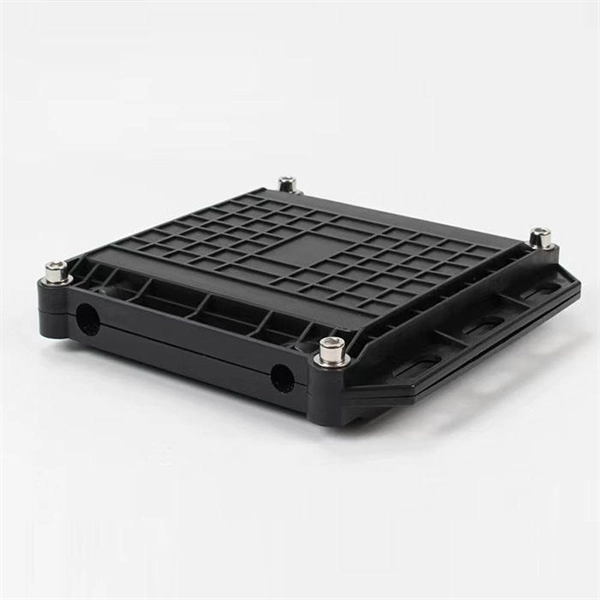
In the future, can microwave communication completely replace
Although microwave communication can replace fiber optic communication in some cases, fiber optic communication is still a more reliable and efficient choice in most cases because
Optical Power Meters & Sources
High-precision power meters (Ge/InGaAs) and stabilized light sources for insertion loss and return loss testing.
OTDR & Fiber Characterization
Full-featured OTDR, fiber OTDR testers, and modular OTDR test modules for network deployment and troubleshooting.
OSA & Eye Diagram Analyzer
High-resolution OSA for DWDM and eye diagram testers for signal integrity validation.
BERT & Endface Inspection
BERT up to 800G, fiber endface inspection probes, and extinction ratio meters for comprehensive testing.