
How To
The ''message'' information (highlighted above) is very useful in debugging to confirm that the values sent between the Actor and Partner devices is consistent with values seen in the show commands for
Support
Enable the debugging switch for the LACP packets of the aggregation member port GigabitEthernet 1/0/1, and observe LACP packet receiving and sending on this port.
BCM56070 Switch Programming Guide
The switch supports IPv4 and IPv6 multicast applications, such as multimedia conferences, real video and real audio, and push technology. Such applications depend heavily on single point to multipoint
Link Aggregation and Load Balancing
You may want to set up and configure a bonded link between your Meraki MS series switch and a Cisco switch. This is often referred to as link aggregation, link bonding or EtherChannel.
Technical Tip: Initial troubleshooting steps for LACP (Link Aggregation
If this is causing problems, consider using static aggregation, aligning hash settings, or temporarily disabling one interface to ensure that all traffic for a session is handled consistently.

Multi-chassis Link Aggregation Group
MLAG (Multi-chassis Link Aggregation Group) implementation in RouterOS allows configuring LACP bonds on two separate devices, while the client device believes to be connected to
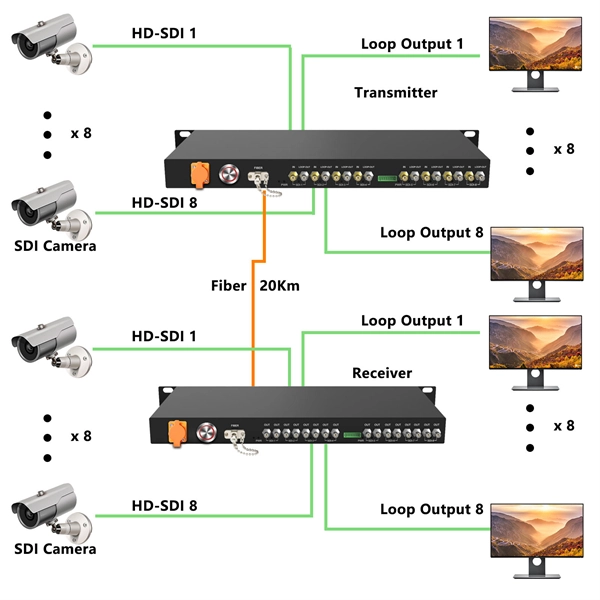
Aggregation Switch
An Aggregation or "Top-of-Rack" switch is designed to connect everything in a rack at high speeds, then have an even bigger pipe out to the rest of the network.
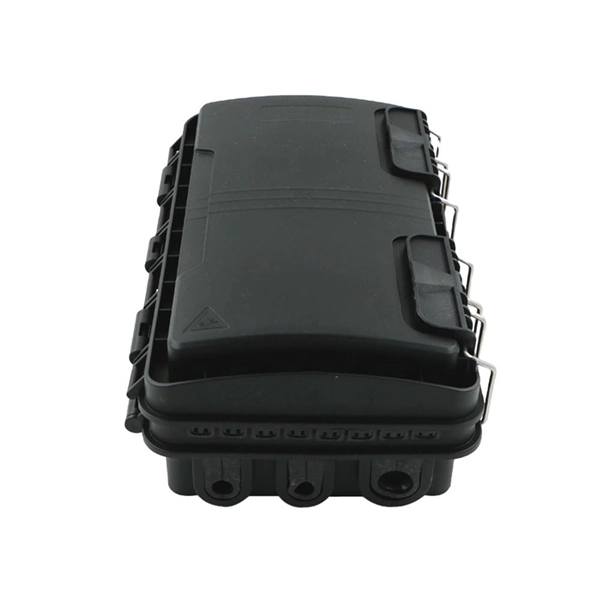
Aggregated Ethernet Interfaces Overview
Link Aggregation Control Protocol (LACP) can optionally be configured for link monitoring and automatic addition and deletion of individual links without user intervention.
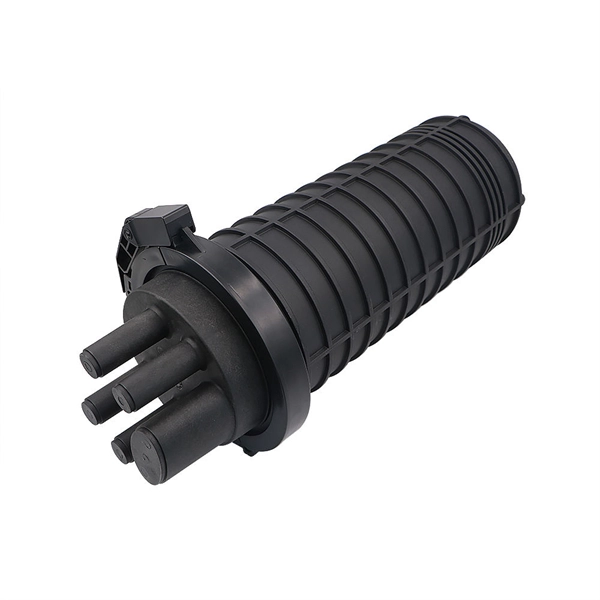
AXIS D8308 Fiber Aggregation Switch
The switch has a serial console port that allows you to manage the switch through the command-line interface. Connect a console cable to the console connector on the switch.

Link Aggregation Configuration Commands
Port''s link aggregation is to bind several ports of same attributes into a logic port. The binding process is conducted through LACP negotiation or is mandatorily conducted without any negotiation.
Optical Power Meters & Sources
High-precision power meters (Ge/InGaAs) and stabilized light sources for insertion loss and return loss testing.
OTDR & Fiber Characterization
Full-featured OTDR, fiber OTDR testers, and modular OTDR test modules for network deployment and troubleshooting.
OSA & Eye Diagram Analyzer
High-resolution OSA for DWDM and eye diagram testers for signal integrity validation.
BERT & Endface Inspection
BERT up to 800G, fiber endface inspection probes, and extinction ratio meters for comprehensive testing.