Electrical equipment floor space
This paper will review some of the NEC requirements regarding required electrical space and discuss new product concepts serving to reduce equipment size, resulting in reduced space requirements,
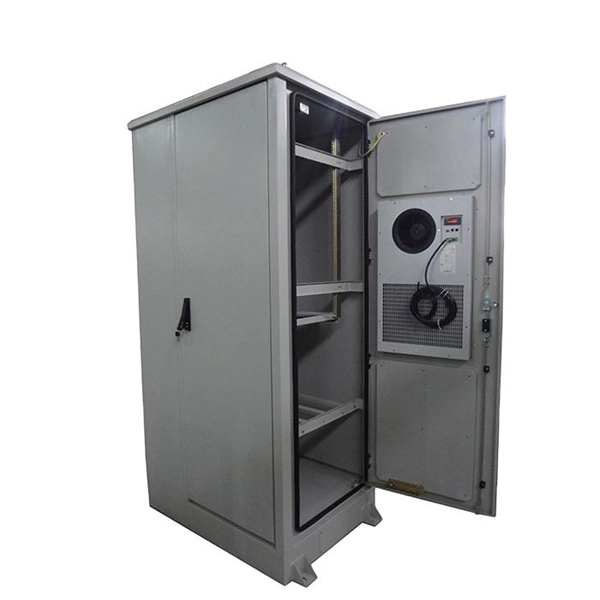
Cable Distribution Box Layout: 10 Industrial Strategies
Optimize your cable distribution box layout for safety and efficiency. Learn industrial best practices using Chuanli''s IEC-standard outdoor and custom boxes.
OSHA Electrical Panel Clearance Requirements: Guide
OSHA and the National Electrical Code (NEC) specify that electrical panels must have a minimum clearance of 36 inches in depth, 30 inches in width, and 78 inches in height. These dimensions
AS/NZS 3000 Switchboard Clearances: Safety Rules Every
They must be placed in locations that allow for proper airflow. Additionally, switchboards need protection against moisture to avoid damage. There must be enough space around the
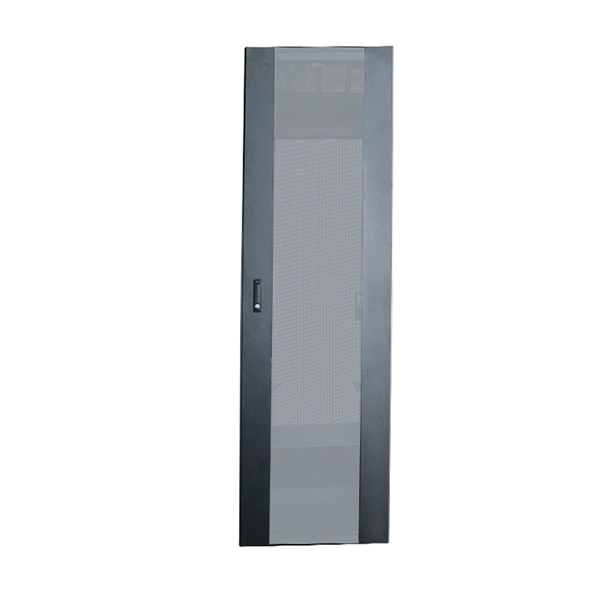
Flow Distribution
Each time the flow is split by a distribution box or header, it increases the chances of uneven distribution occurring; keep the number of times flow is split to a minimum if possible.
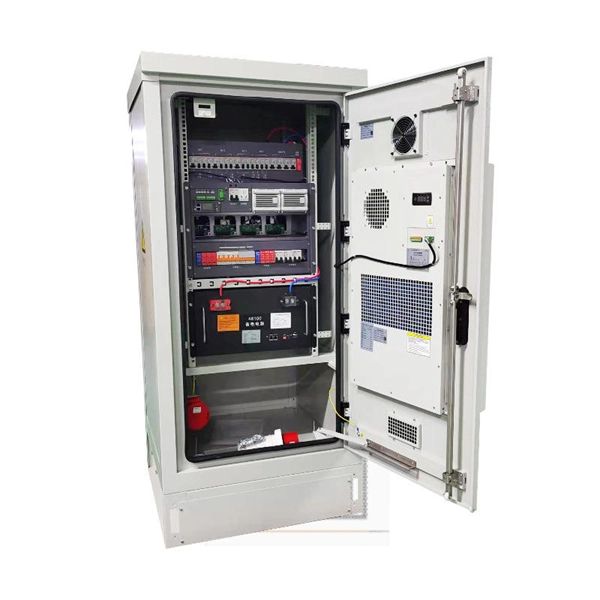
Safe Clearances for Electrical Equipment: Working Space and Dedicated Space
Side clearance: There should be a minimum of 30 inches of clearance from the sides of all electrical equipment, but in no case less than the width of the equipment itself. This is referred to as the side-to
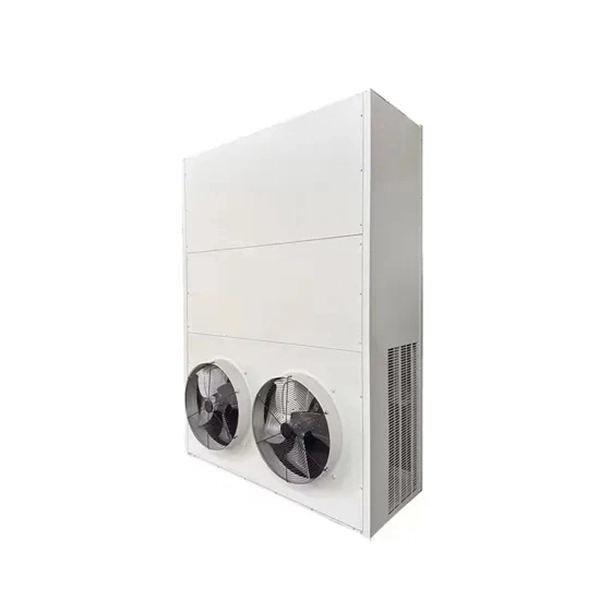
Guidelines for SPD Layout of Building Distribution Boxes
SPD layout in building distribution boxes ensures proper surge protection, safe equipment operation, and compliance with electrical safety standards.

110.26 (C) (2) Large Equipment.
For large equipment that contains overcurrent devices, switching devices, or control devices, there shall be one entrance to and egress from the required working space not less than 610 mm (24 in.) wide
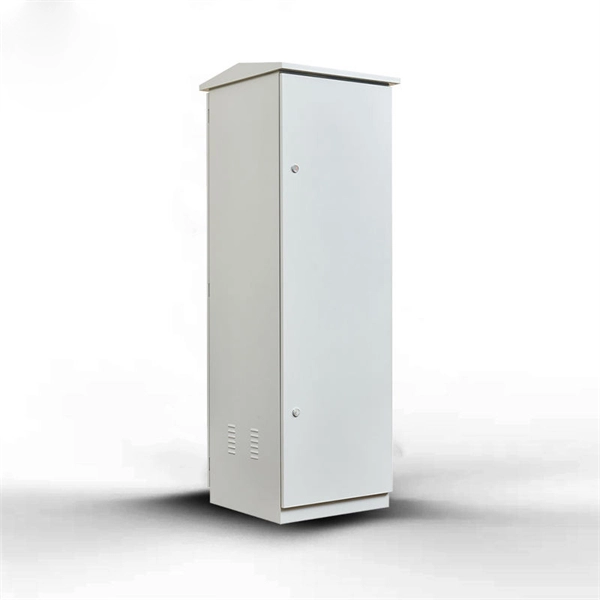
Size configuration of multiple circuit breakers in the
Choose the right size and setup for multiple circuit breakers in your distribution box to ensure safety, code compliance, and room for future upgrades.
OSHA Electrical Panel Clearance Requirements: Guide
OSHA and the National Electrical Code (NEC) specify that electrical panels must
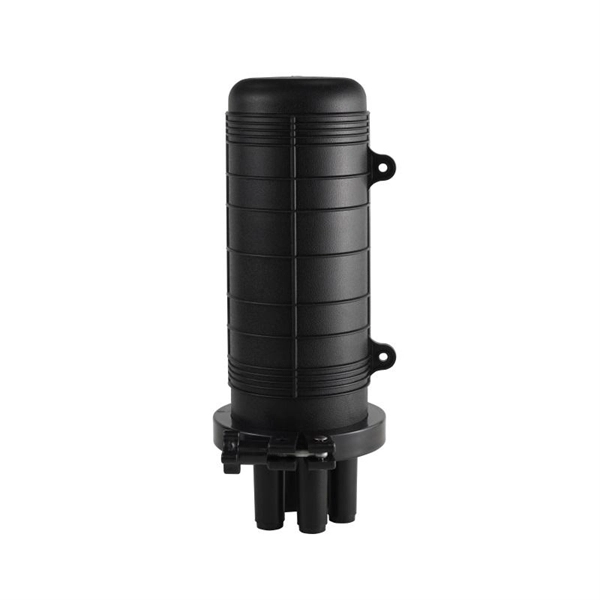
The installation requirements for the distribution box
Leave enough space around the box for air to flow and for future check-ups. Good airflow helps prevent overheating, and clear space makes it easier to work on the box later.
Optical Power Meters & Sources
High-precision power meters (Ge/InGaAs) and stabilized light sources for insertion loss and return loss testing.
OTDR & Fiber Characterization
Full-featured OTDR, fiber OTDR testers, and modular OTDR test modules for network deployment and troubleshooting.
OSA & Eye Diagram Analyzer
High-resolution OSA for DWDM and eye diagram testers for signal integrity validation.
BERT & Endface Inspection
BERT up to 800G, fiber endface inspection probes, and extinction ratio meters for comprehensive testing.