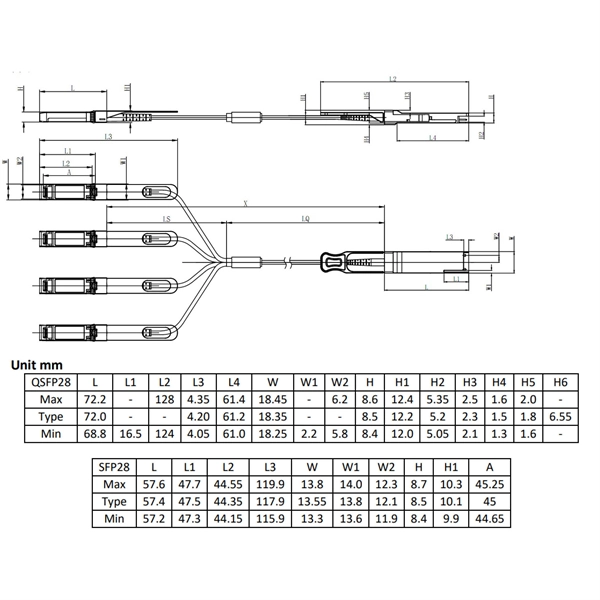
What is an Aggregation Switch?
To aggregate numerous links into a single, logical connection, aggregation switches typically use link aggregation protocols like Ethernet Aggregation and Link Aggregation Control Protocol (LACP).

Aggregated Ethernet Interfaces Overview
You can configure LAGs to connect a QFX Series product or an EX4600 switch to other switches, like aggregation switches, servers, or routers. This example describes how to configure LAGs to connect
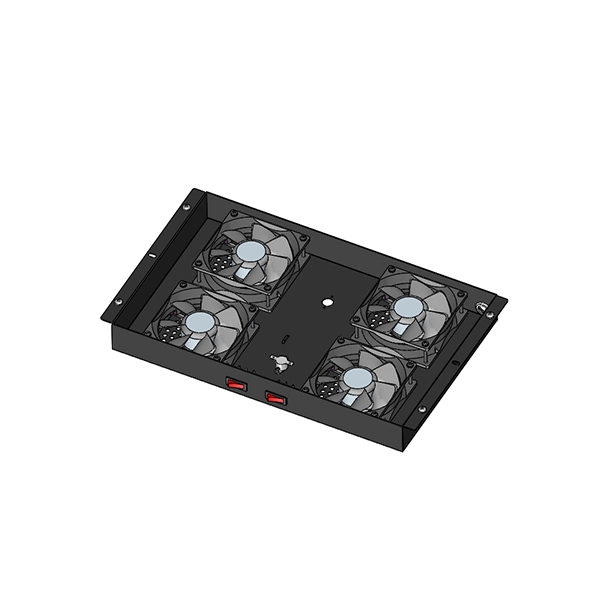
Link Aggregation: What is it, and How Does it Work?
Link aggregation is a way of bundling a bunch of individual (Ethernet) links together so they act as a single logical link. A fundamental for effective switch management, if you have a switch
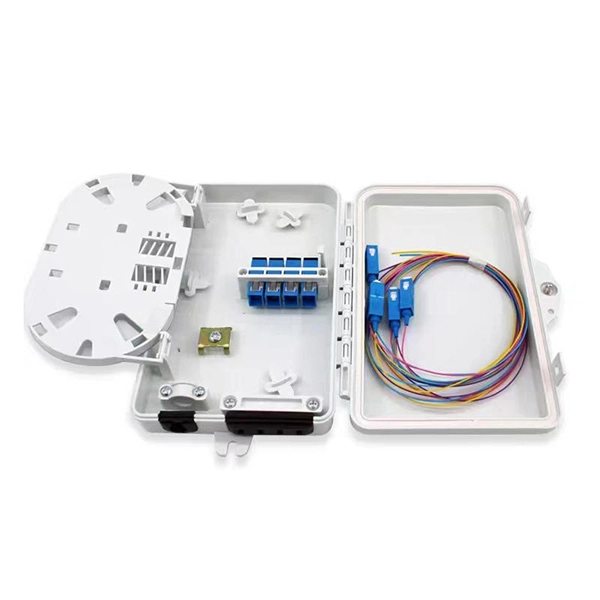
Test Access Points Aggregation
The TAP aggregation switch is directly connected to all of the analysis tools used to monitor the events in the network fabric. These monitoring devices include remote monitor (RMON) probes, application

Support
S-MLAG uses an S-MLAG group to manage the aggregate interfaces for each aggregation, and it runs LACP to maintain each aggregation as does dynamic link aggregation.
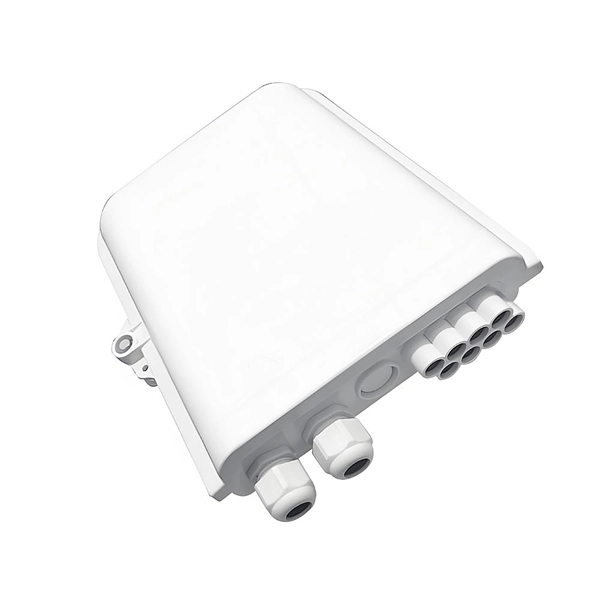
What Is an Aggregation Switch and How to Choose?
Discover the role of aggregation switches. Explore differences between aggregation, access, and core switches, and choose the right model for your network.
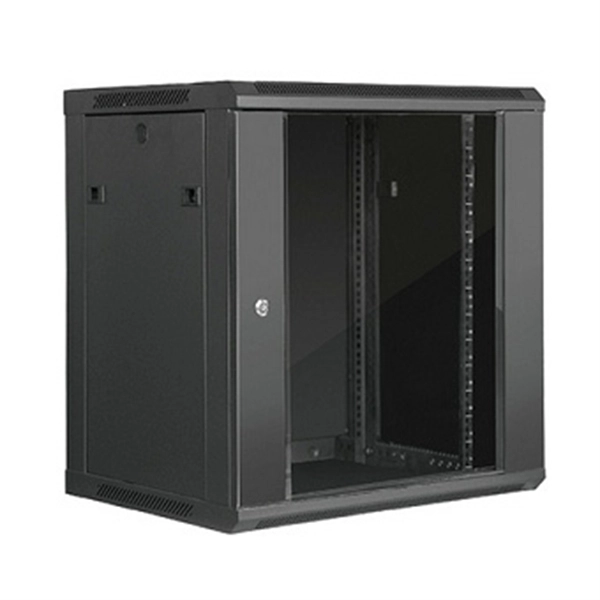
What is an Aggregate Switch?
An aggregate switch consolidates traffic from access switches, while a core switch forms the backbone of the network, interconnecting multiple aggregate switches and providing access to
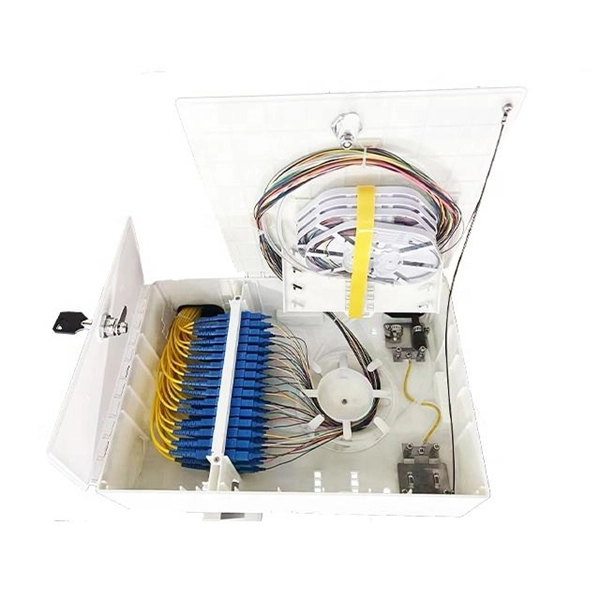
AOS-CX 10.13 Link Aggregation Guide (All AOS-CX Series
Examples in this document are representative and might not match your particular switch or environment. The slot and port numbers in this document are for illustration only and might be

Understanding Switch Aggregation: A Comprehensive Guide
This blog post briefly explains the primary function of aggregation switches, particularly their role in forwarding data from access layer switches to core switches.
Configure an Aggregate Interface Group
Each aggregate group can have up to eight interfaces. PAN-OS ® firewall models support a maximum of 16,000 IP addresses assigned to physical or virtual Layer 3 interfaces; this maximum includes both
Optical Power Meters & Sources
High-precision power meters (Ge/InGaAs) and stabilized light sources for insertion loss and return loss testing.
OTDR & Fiber Characterization
Full-featured OTDR, fiber OTDR testers, and modular OTDR test modules for network deployment and troubleshooting.
OSA & Eye Diagram Analyzer
High-resolution OSA for DWDM and eye diagram testers for signal integrity validation.
BERT & Endface Inspection
BERT up to 800G, fiber endface inspection probes, and extinction ratio meters for comprehensive testing.